






America Would Be a Better Place
Orson Welles has fascinated me for years for several reasons. It seemed that whatever he touched resulted in success. Welles enjoyed writing, producing, directing films, documentaries, theater, and radio. Most Americans have read about Welles’ radio adaptation of The War of the Worlds. Talk about captivating his listeners with the announcement that we are being invaded from outer space.
It is also true that many Americans have seen Welles’ movie Citizen Kane several times. Every time I think about that movie, the movie’s title could have been Rosebud.
On the other hand, how many Americans ever saw Compulsion in 1959? Welles played Clarence Darrow in an adaptation of the Leopold and Loeb murder trial.
Welles also spent much of his early years into his teens overseas, much of which was in Beijing, China. Once, he sat next to Adolf Hitler at a meeting of Nazis in Bavaria, the southeastern part of Germany near Austria. He wasn’t impressed.
Finally, Orson Welles was a political liberal. However, being liberal nearly a century ago wasn’t something many people supported, especially in the area of civil rights. Despite that, Welles spoke his mind about racism.
During Welles’s creative lifetime, he had a weekly radio program called Orson Welles Commentaries. On February 12, 1946, eight decades ago, his radio broadcast was about an American service member who had served in the army in the South Pacific during WWII. He was on a bus in South Carolina returning home from the war with several other soldiers. The soldiers were black and white. Welles’ program was about Sgt. Isaac Woodard, who happened to be black. The bus had stopped to get gas and for the passengers to get something to eat.
However, the white driver had issues with Woodard, which spilled over when a white police officer in South Carolina beat Woodard. After nearly killing him, the officer took his baton, with which he beat Woodard and poked the ends of it into both of his eyes. Woodard was unconscious. The next day, Woodard woke up in a VA hospital, but he couldn’t see.
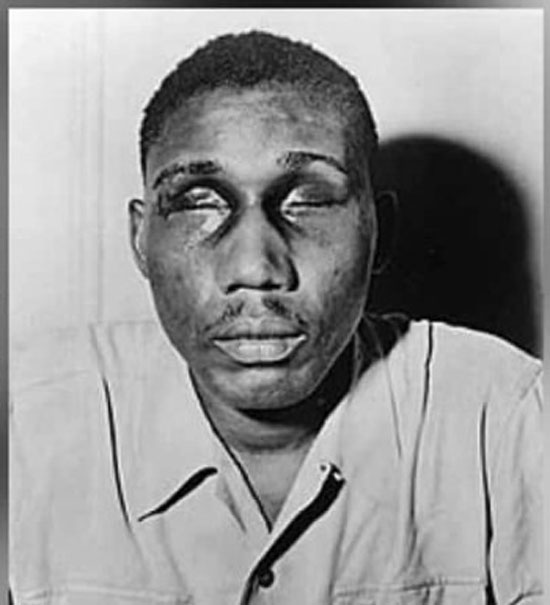
The following week, Welles called out the police officer for nearly killing Woodard. At the time, Welles didn’t know his name. Nevertheless, he called him Officer X on his radio program, but he added, “I will find means to remove from you all refuge, Officer X. You can't get rid of me.”
However, Welles obtained the real name of Officer X, which was Lynwood Shull. As a result of the beating, Shull faced a trial at which he admitted that he was the one who beat and blinded Woodard. An all-white jury found Shull innocent of all charges.
Fortunately, that isn’t the end of the story. President Truman heard about Shull beating Woodard and being found innocent by an all-white jury. A month after the trial, Truman created the Committee on Civil Rights, which looked into the desegregation of the military. Two years later, Truman, by executive order, desegregated our armed forces.
What is the takeaway from this essay? At one level, it is a painful example of racism. I was a toddler when Woodward was beaten. In my twilight years, we have taken some steps to address racism. However, in those eight decades, blacks and other minority groups are still suffering. We need to wake up to the reality of our past and present. Trump still has ICE and CBP agents in American cities. Minneapolis is a tragic example of racial profiling and injustice.
If Orson Welles were still alive, he would still fight the good fight as he did regarding Woodard. “I have eyes. He hasn't. I have a voice on the radio. He hasn't.”
I don’t see any real difference between racism and sexism. Both are beliefs that white males are superior to everyone else. What is Trump doing with the Epstein files other than holding many of them? When he occasionally releases some, many of them are redacted.
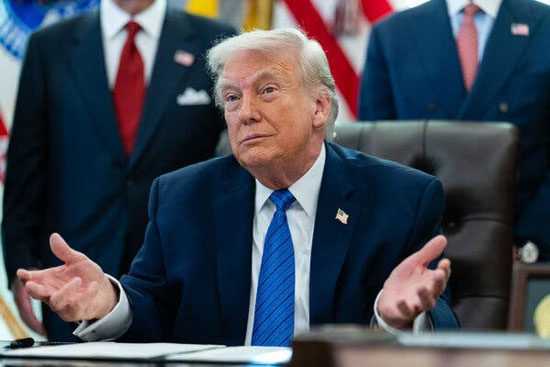
A month ago, “The New York Times identified more than 5,300 files containing more than 38,000 references to Mr. Trump, his wife, his Mar-a-Lago club in Florida, and other related words and phrases in the latest batch of emails, government files, videos, and other records released by the Justice Department.
The photo of Trump reminded me of Sgt. Schultz in Hogan’s Heroes.
However, Trump’s cover-up isn’t funny. Sexually abusing young girls or teenagers is the worst human trauma that a female can experience. That doesn’t register in Donald the Dumb’s brain.

Visit the On Seeing the Light page to read more about this topic.

Visit the Connecting the Dots page to read more about this topic.

Visit the Darkest Before Dawn page to read more about this topic.
Visit the Best and Worst of Times page to read more about this topic.
Visit the My Hauntings page to read more about this topic.

Visit the Living a Life Well Lived page to read more about this topic.
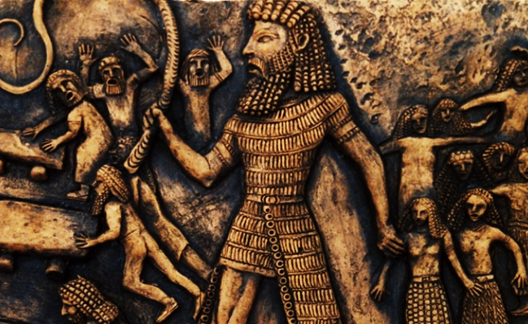
Visit the Gilgamesh page to read more about this topic.
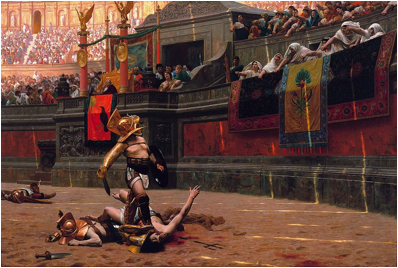
Visit the Man in the Arena page to read more about this topic.

Visit the Mentors and Me page to read more about this topic.

Visit the Donald the Dumb page to read more about this topic.
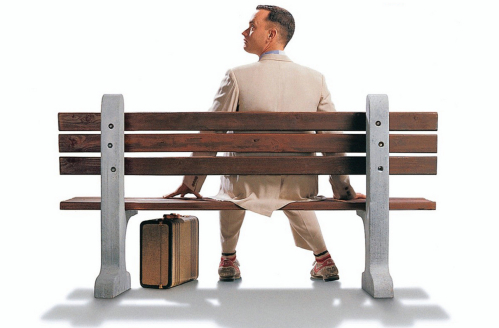
Visit the Stupid is as Stupid Does page to read more about this topic.
03/02/26