






It Is A Haunting Feeling
This essay addresses amnesia. There are various forms of not being able to remember events. Human beings experience childhood amnesia. This lack of memory begins at birth and will continue until the child is around three or three and a half years old. When we become adults, we can’t recall much of anything from our first handful of years.
We are able to recall, as toddlers, a few short snapshots, but long-term memories don’t occur until we are five to seven. It is then that our hippocampus develops more fully.
My family went on a family tour together half a dozen years ago. Since my children were tour guides before the coup and COVID, we went to places like Set Set Yo. Rarely do Westerners visit this small town. It was during winter break, and the parents at Set Set Yo would leave their children in a large field in front of a Buddhist monastery. While the parents went to work, older children cared for the infants.
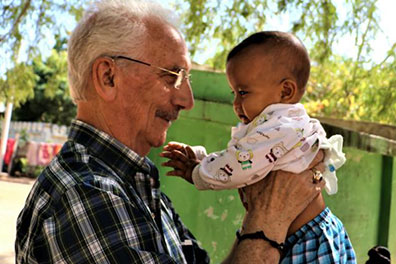
I picked up this infant from a teenage babysitter. One of my family members had my camera and took this photo of an infant who wasn’t quite a year old and some old man who wasn’t quite an octogenarian. The picture shows this little one looking at me as if to say that she didn’t know me, but I seem like a nice old man.
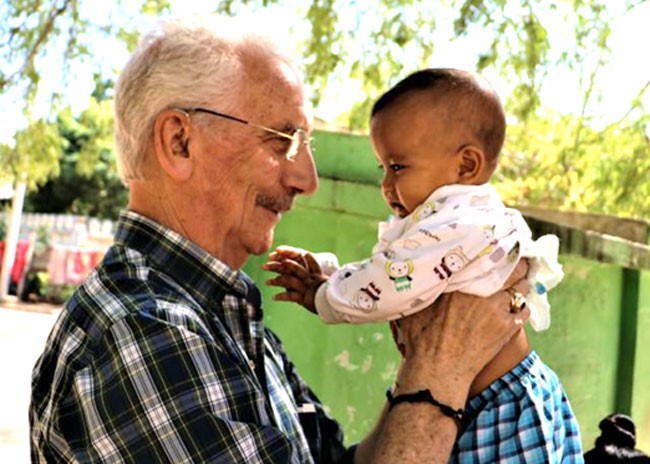
I carried the little one around for most of the day. I kept calling her the little one until I asked my daughter how to say the little one in Burmese. It is A Ngal Lay. She and her parents and older sister are a part of my extended family. This is a recent photo of my family.
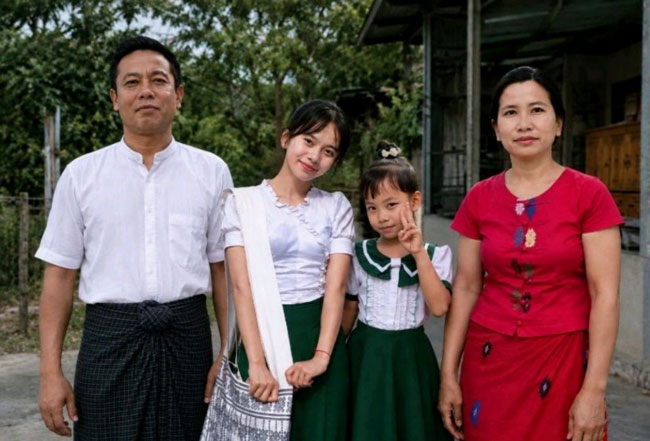
I have wire-transferred funds to them for the past half-dozen years. I didn’t meet A Ngal Lay’s sister or parents. Therefore, they don’t know me except through my family. The little one and I met and spent the day together. As important as A Ngal Lay is to me, that moment in time isn’t remembered by the little one due to childhood amnesia. In some place in the deep recesses of her brain are memories, but she can’t retrieve those lost neurons.
I realized that A Ngal Lay wouldn’t remember me. Therefore, I had a friend of mine who lives in Myanmar and is a great artist do an oil painting for the two of us.
All of us share A Ngal Lay’s lost memories due to childhood amnesia. That being said, I experienced a fall from a ladder 18 years ago, which resulted in a subdural hematoma or a traumatic brain injury. My head hit a concrete retaining wall.
This is a video of an actual subdural hematoma surgery. It shows removing a part of the patient’s skull. Removing a part of the skull allows the brain to expand because of bleeding in the brain. In my particular case, I didn’t have my part of my skull replaced for a month. All that covered my brain was my skin.
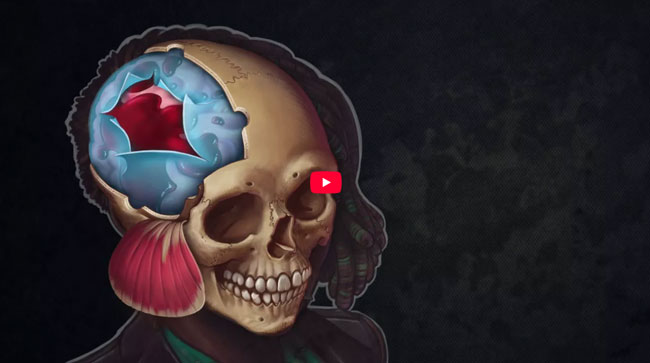
Click on this link to see part of a subdural hematoma operation.
I wound up in a local hospital where the staff scrambled to get ready to remove a bagel-sized part of the left side of my head. Just before Dr. Kaakaji, the neurosurgeon, began the surgery, he talked with my family. He wanted to warn them that I had a 50/50 chance of making it through the surgery. If I did, he didn’t comment on my recovery. The final detail was that the surgery would take three to four hours.
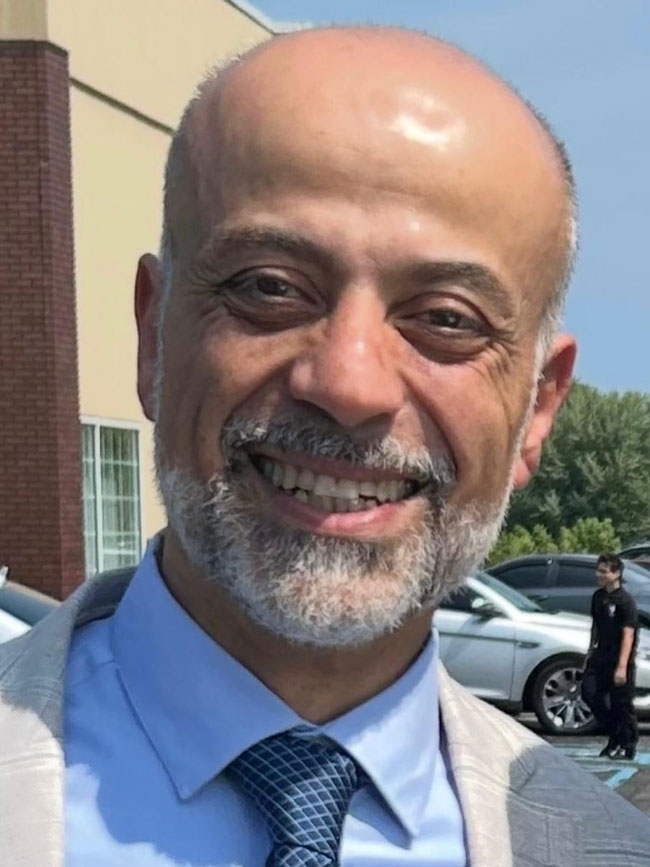
I am sure my family discussed the prognosis of me making it through a long surgical procedure as they sat back for a long wait before Dr. Kaakaji returned from the operating room. In an hour and a half, he returned from the operating room.
If I had been one of my family members and the surgeon returned in less than half the estimated necessary time for the surgery, I would be bracing myself to hear the bad news that I hadn’t been able to survive.
Nevertheless, Dr. Kaakaji sat down with my family and said that the surgery was successful, and he was hopeful of a good recovery. Then he added that I had one of the youngest brains that he had ever seen.
What followed was four weeks in the hospital’s ICU and then another three weeks in a rehab hospital. I had a case of total amnesia; I don’t recall the fall or spending a month in the ICU. Halfway through my three weeks in the rehab hospital, I came out of my amnesia.
However, I spent most of my seven weeks without being able to recall anything due to my amnesia. Dr. Kaakaji removed a bagel-sized part of the left side of my head to relieve the high blood pressure due to the bleeding in my brain. This is a photo of Dr. Kaakaji’s incision into my very young brain.
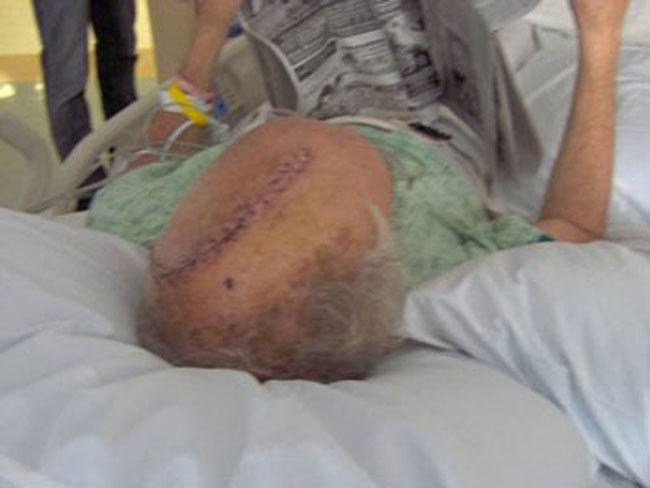
Several days after the surgery, Dr. Simaga, a neurologist, stopped by to get a prognosis of my recovery. I have no idea what I said or did during that month at the hospital. However, my family told me that Dr. Simaga stopped by for a post-operative exam while I was in the ICU.

During Dr. Simaga’s exam, my daughter, Michelle, said that he asked me whether I knew who the people in the room were. My retort was, "I've never seen these people in my life." Apparently, since I didn’t know them, I wanted to have them removed.
Dr. Simaga was startled at first by my reply. He rolled his eyes as he looked at them. It was then that he realized that I was joking. Dr. Simaga assured them that I’d be fine.
Looking back two decades ago, both Dr. Kaakaji and Dr. Simaga said two things that shaped my life. Dr. Kaakaji told my family before the surgery that I had, at best, a 50/50 chance of making it through the surgery. The other comment that relates to the surgery is that I have a very young brain.
Dr. Simaga asked me who was in the hospital room, and I joked with him about not knowing them. The other comment that has remained with me was that I would be fine after leaving the hospital and the rehab hospital.
I have spent nearly two decades remembering the two comments by both doctors...even though I can remember them because my family told me. That haunts me. Both doctors made it possible to journey down the yellow brick road of my life successfully due to their two comments.
This is a similar type of subdural hematoma surgery. Click on YouTube.
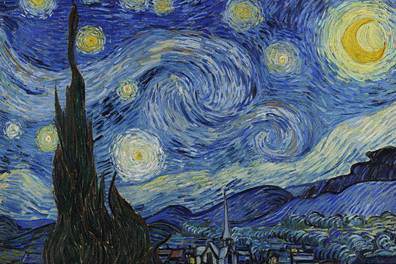
Visit the On Seeing the Light page to read more about this topic.

Visit the We Are Family page to read more about this topic.

Visit the Connecting the Dots page to read more about this topic.
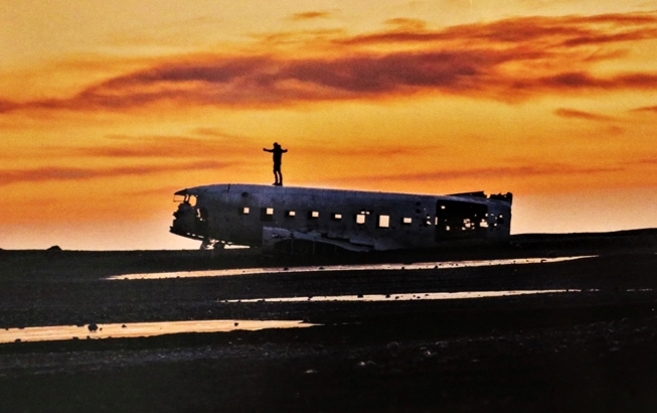
Visit the “I’m Alive!” page to read more about this topic.
Visit the Darkest Before Dawn page to read more about this topic.

Visit the Best and Worst of Times page to read more about this topic.
Visit the The Last Lecture page to read more about this topic.
Visit the Dancing With Death page to read more about this topic.
Visit the A Ngal Lay page to read more about this topic.
Visit the My Hauntings page to read more about this topic.
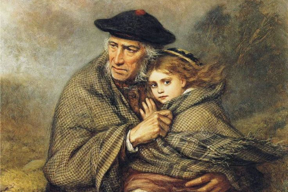
The Hand May Be a Little Child's
Visit the The Hand May Be a Little Child's page to read more about this topic.

Visit the Living a Life Well Lived page to read more about this topic.
Visit the Man in the Arena page to read more about this topic.
Visit the Burma/Myanmar page to read more about this topic.
08/14/26